
Ball Python Care Guide: Everything You Need to Know

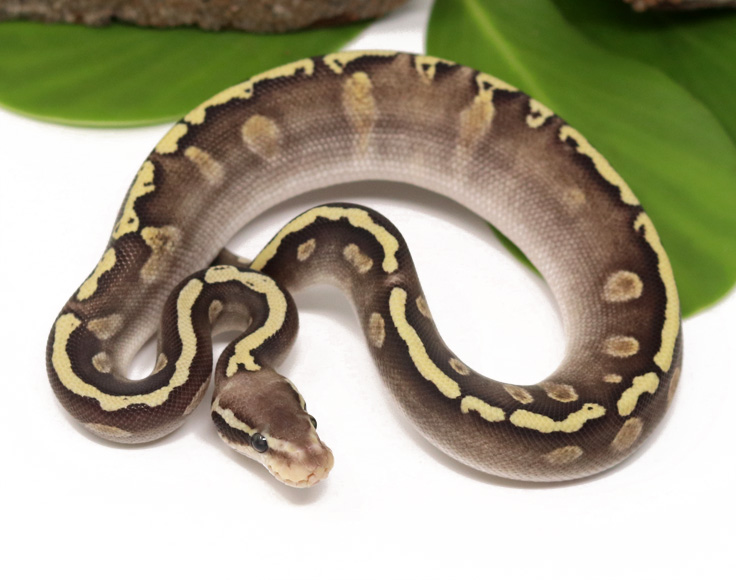


Have a new pet Ball Python and looking for care information? This guide covers the basics of Ball Python care, including feeding, housing, temperatures, humidity, and general care for your new pet snake.
Ball Pythons are one of the most popular pet snakes in the world. Their docile disposition, manageable size, and ease of care make them a favorite among both new and experienced snake keepers. When you add in the wide variety of colors, patterns, and morphs available, it is easy to see why Ball Pythons are such a popular choice.
Ball Pythons are native to central and western Africa, including countries such as Ghana, Togo, and Benin. Today, most Ball Pythons in the pet trade are captive bred in the United States. Adults commonly reach about 3.5 to 4.5 feet and can range from about 1,500 to 4,500 grams, depending on sex, genetics, and overall body condition. With proper care, Ball Pythons can live 8-20+ years. We currently have females that we raised from 1998 that are still producing for us yearly.
Visit our shop page to see our currently available, individually photographed Ball Pythons and find your new pet snake.
Ball Pythons do best in a secure enclosure with proper heat, clean water, and at least one hide. Babies can start in smaller enclosures, while adults need more space as they grow. The enclosure should have a locking lid or secure door to prevent escapes.
Use a safe substrate such as cypress mulch, reptile bark, aspen, newspaper, or paper towels. Avoid cedar shavings, as cedar oils can be toxic to reptiles.
More info regarding housing & enclosures are below.
Ball Pythons eat mice or rats. Young Ball Pythons are usually fed once a week, while adults may be fed every 7-10 days depending on size and body condition.
Feed an appropriately sized prey item that leaves a small lump, but is not overly large. Avoid handling for about two days after feeding to reduce stress and lower the chance of regurgitation.
More info regarding feeding and prey are below.
Ball Pythons need a warm side and a cool side so they can regulate their body temperature. Aim for a warm side around 88-92°F and a cooler side around 78-82°F. A hot spot around 90-93°F works well for digestion.
Always use a thermostat with any heat source to prevent overheating.
More info regarding temperature and humidity are below.
The importance of allowing your Ball Python to acclimate when you bring it home cannot be stressed enough.
While Ball Pythons are generally friendly and calm, reptiles aren’t social animals. Too much handling can and will stress them out. When you first bring your new Ball Python home, it’s imperative that you DO NOT handle it for 2-3 days while it adjusts to its new environment. It’s tempting, we know, but your new pet will thank you for it. If they don’t properly acclimate to their new home, they will be stressed and may be less willing to feed on schedule. Once they’ve acclimated, you can comfortably handle your new pet. Taking this step will ensure that your new pet feels safe and comfortable in their new home.

Housing Ball Pythons
Generally speaking, Ball Pythons need a simple, secure setup. How you decorate the enclosure beyond the basics is personal preference. The basic items needed are an enclosure, water bowl, heating element, and hiding area, also known as a hide.
The most common enclosures are aquariums, reptile cages, tubs, and rack systems. Make sure the enclosure has a secure lid or door that locks properly. This helps prevent escapes.
Once an enclosure is selected, you’ll need to choose a substrate. There are several options, and the best choice depends on your setup, humidity, and personal preference. Many keepers use paper towels, newspaper, aspen shavings, cypress mulch, or reptile bark substrate.
We recommend cypress mulch or pesticide-free bark because it holds humidity better than many other substrates and has less chance of drying out too quickly. Since most Ball Python enclosures are kept inside air-conditioned homes, humidity is an important factor to consider. A/C can dry out the enclosure and make shedding more difficult.
Do not use cedar shavings, as the oils can be toxic to reptiles.
Next, you’ll need a heating element so the snake can thermo-regulate. A heat pad placed under one side of the enclosure is commonly used. Heat rocks are not recommended because they can burn the snake if they get too hot. Heat lamps can be used, but they may dry out the enclosure faster, so humidity needs to be watched closely.
Any heat source should be controlled with a thermostat. This helps prevent overheating and keeps the enclosure temperature more stable.
Lastly, always provide clean water and at least one secure hiding place. Two hides are even better: one on the warm side and one on the cooler side.
Feeding Ball Pythons
Ball Pythons feed on mice and rats. They should be fed on a regular schedule to maintain proper weight and growth. Young Ball Pythons are usually fed once a week, while adults may be fed every 7-14 days depending on size, age, and body condition.
Babies usually start on hopper mice or rat pinkies and move up to larger meals as they grow. The meal should leave a small lump, but should not be overly large. The snake should not be handled for about two days after feeding. This helps reduce stress and lowers the chance of regurgitation.
Ball Pythons can sometimes slow down or stop feeding during certain times of the year. This can depend on season, age, size, and breeding behavior. Some Ball Pythons slow down around 600-800 grams or during the breeding season, which is often October through April. As long as the snake is healthy, maintaining weight, and has fresh water available, short feeding slowdowns are usually not a major concern.
We do not recommend force feeding unless it is a young snake that has never eaten or there is a serious health concern. Patience is usually the best approach. If you have a trouble feeder, make sure the enclosure is clean and the snake feels secure. Remove any uneaten prey, clean the enclosure if needed, and try offering a smaller prey item.
Other tricks that have worked for us include cleaning the cage a few days before offering food, reducing stress, offering a smaller prey item, or placing the snake overnight in a snake bag and returning it to a clean enclosure before offering food again a few days later.
Temperatures and Humidity for Ball Pythons
Ball Pythons are cold-blooded animals. They cannot produce their own body heat, so they rely on their environment to regulate body temperature. Proper heat is important for digestion, immune function, and overall health.
Ball Pythons prefer ambient temperatures around 80-86°F and a hot spot of 90-93°F. When enclosure temperatures are too low or unstable, Ball Pythons may refuse food or have trouble digesting.
Appropriate humidity is also very important. With heating elements and air conditioning drying out the enclosure, we recommend misting the cage as needed to help maintain proper humidity. One sign of low humidity is a dry or incomplete shed. If humidity is correct, the snake should usually shed in one piece without stuck shed on the body or eyes.
Other ways to increase humidity include using a humidity-holding substrate, reducing excess airflow, using a larger water bowl, or adding a humid hide with damp moss.
A general humidity range of about 50-60% works well for many Ball Pythons, with slightly higher humidity during shed cycles if needed.
Available Ball Pythons
Availability changes often because each animal is listed individually. View our current Ball Pythons below.